Diversity in journalism is important more than ever, whether within our newsroom or reporting our stories. It matters to me on a personal level — not only professionally or "just another part of the job" — as I have a close older family member with a neurodevelopmental disability who I have grown up with into young adulthood. Because of that, I have seen firsthand why people of all backgrounds in our local communities should be covered, and covered with the highest degree of respect, empathy, understanding and humility, the same expectations I have of readers to approach their stories.
ID Sampler
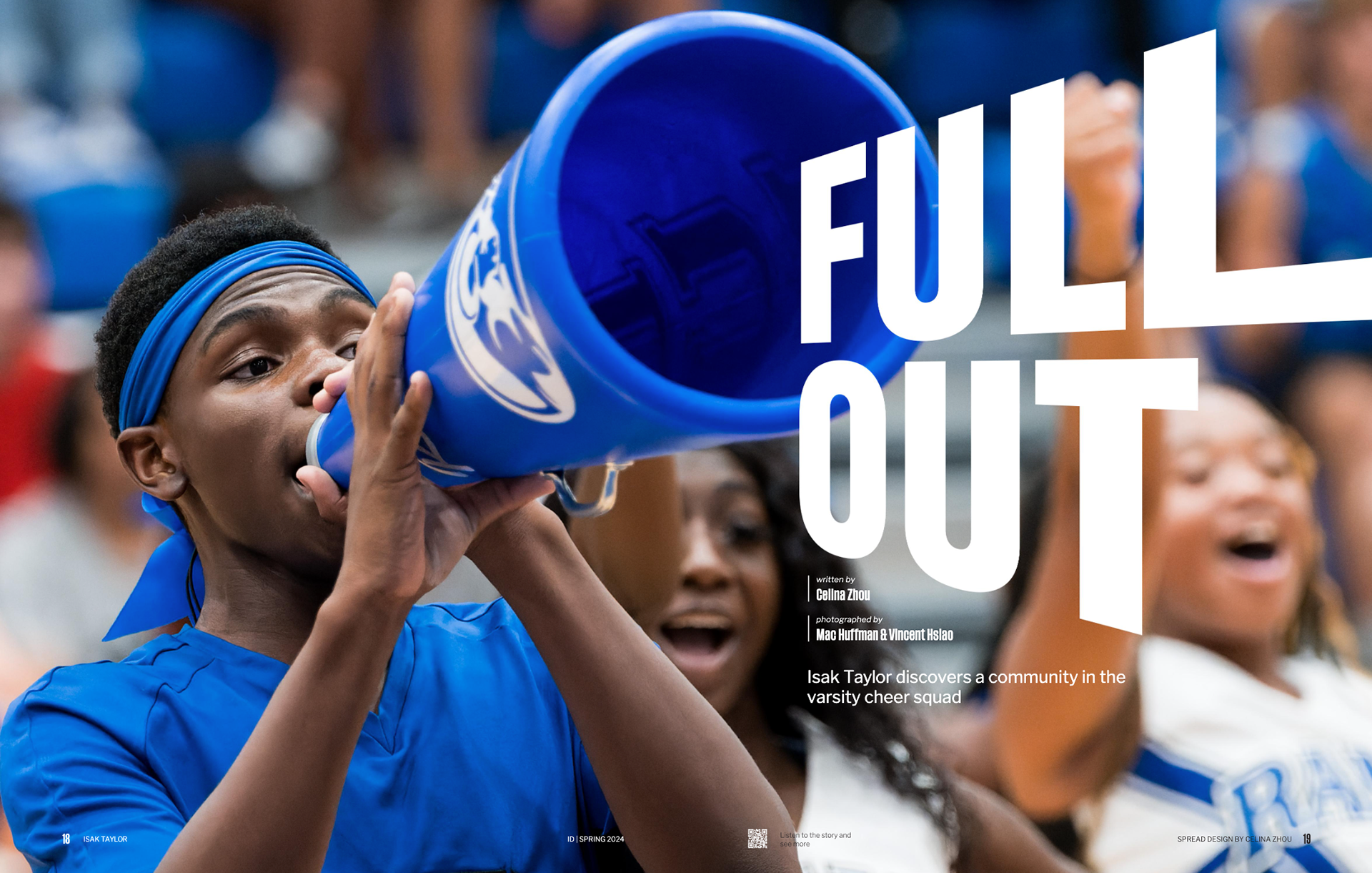
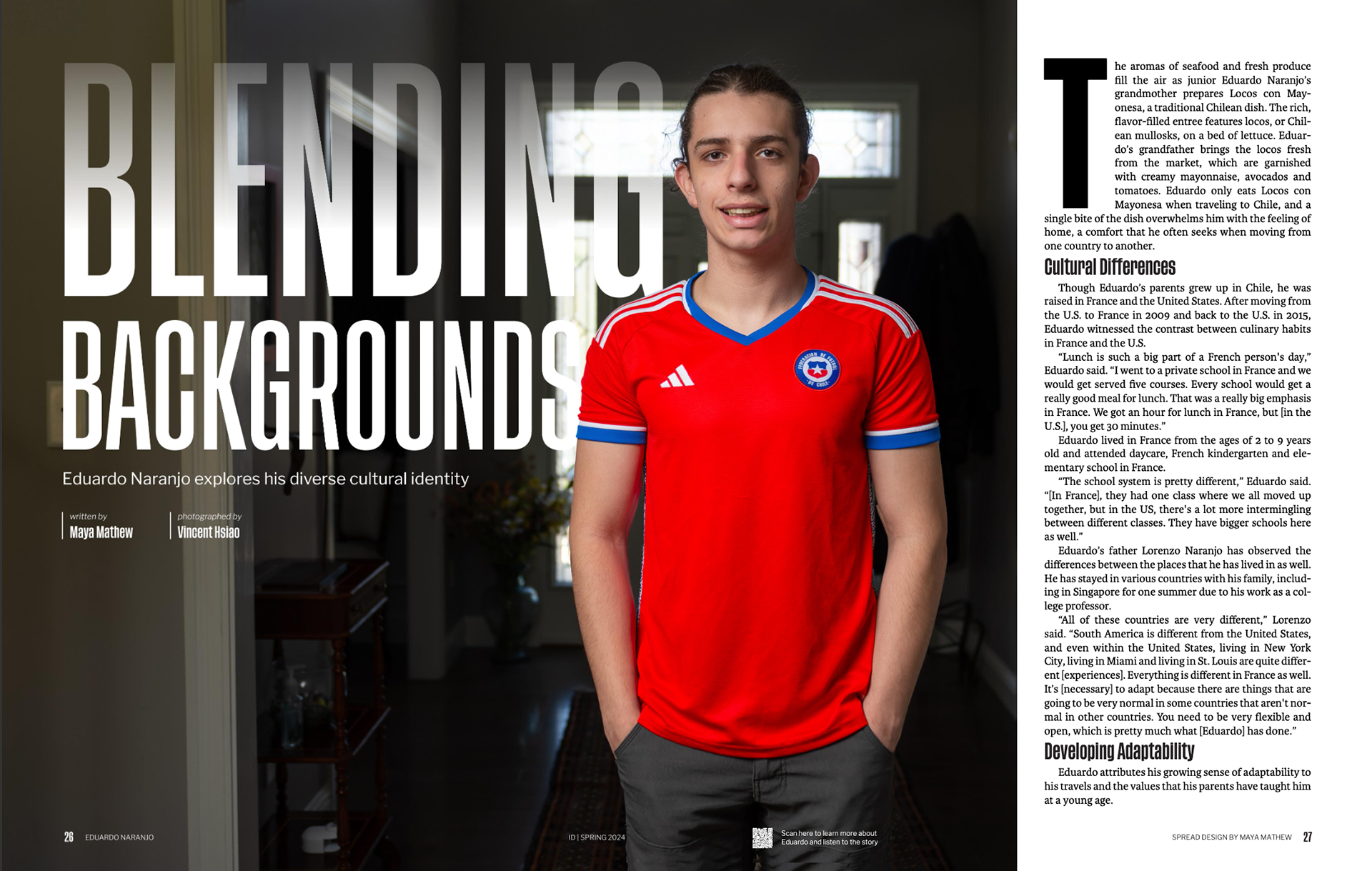
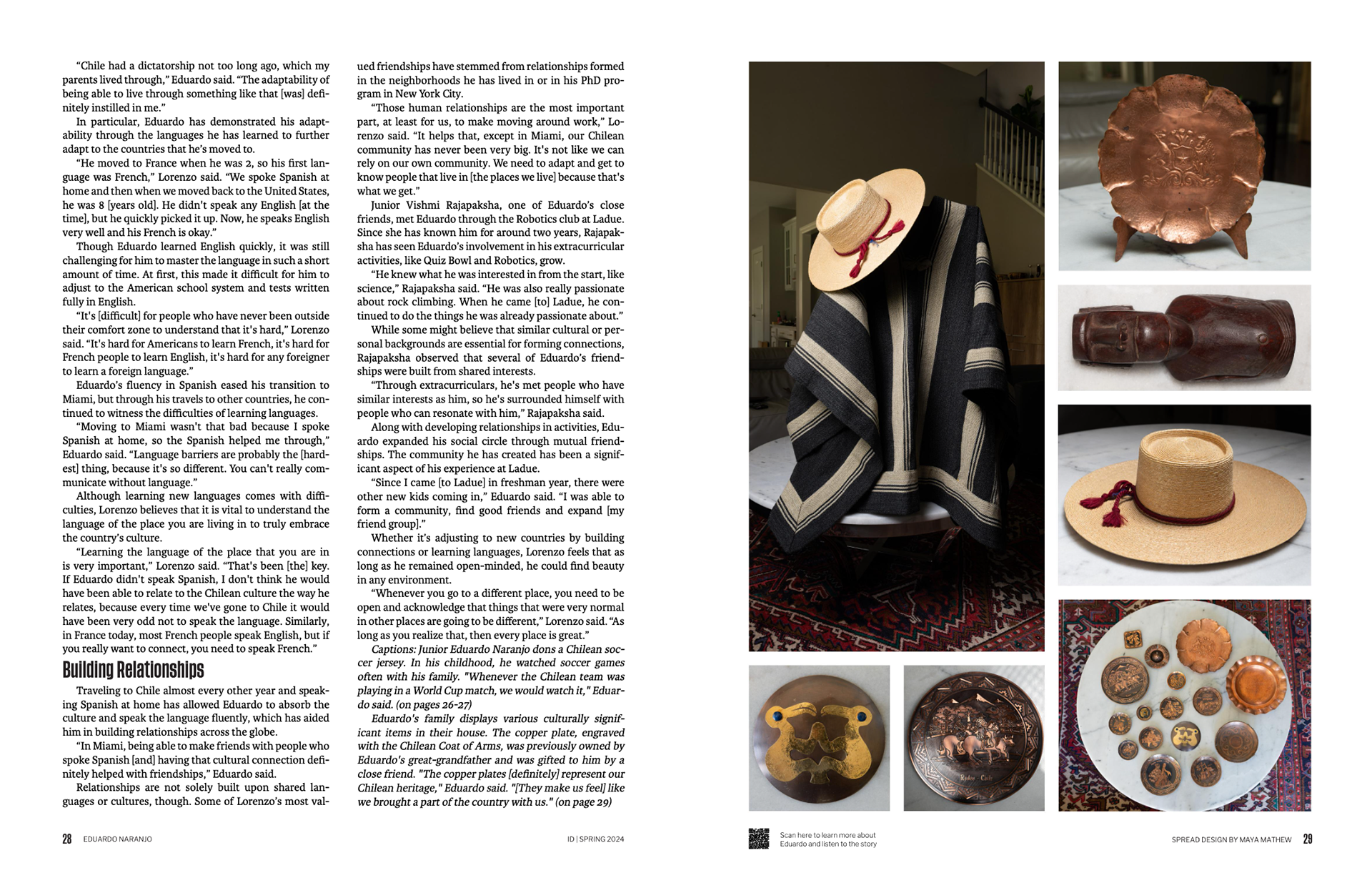
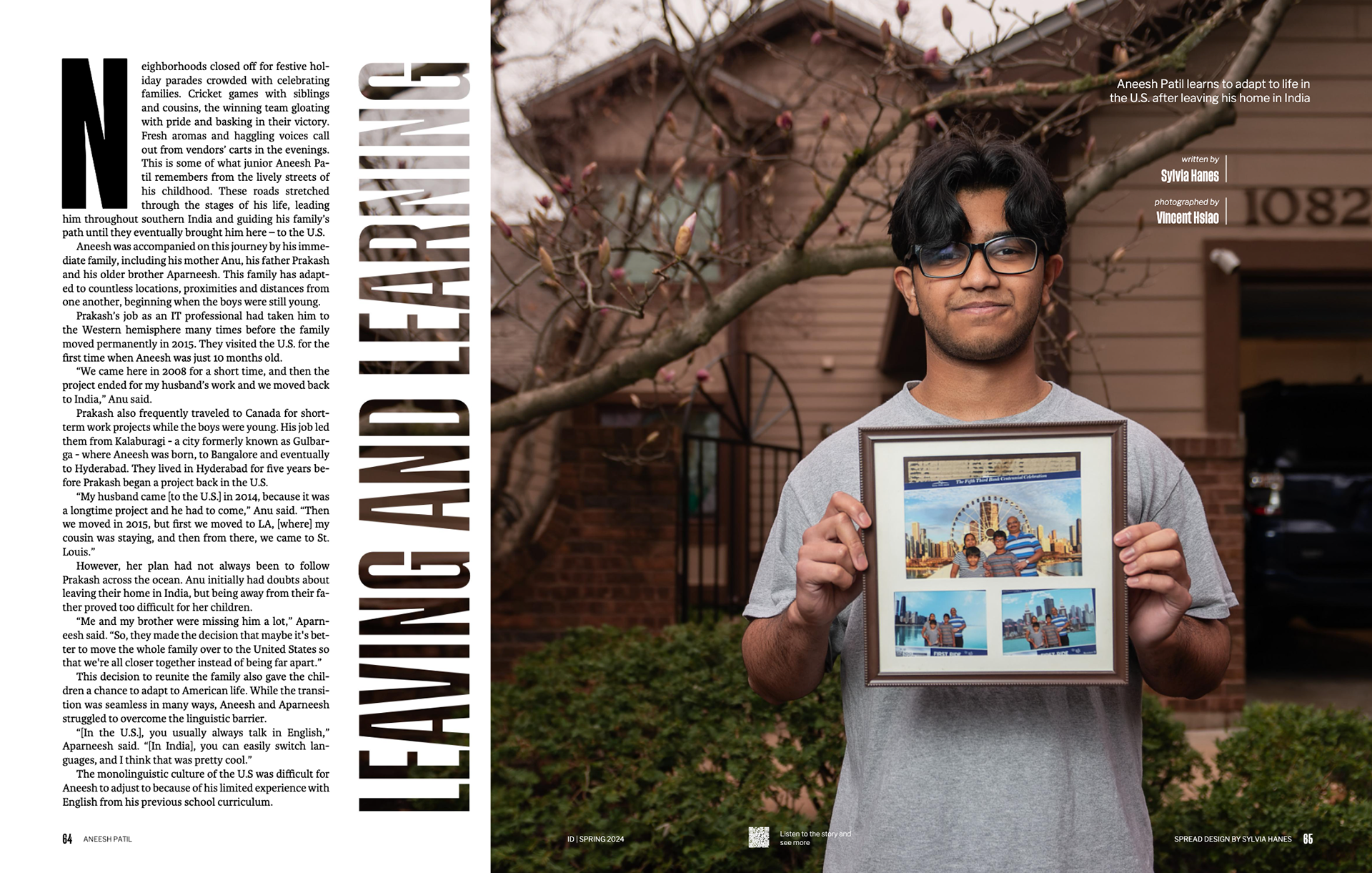
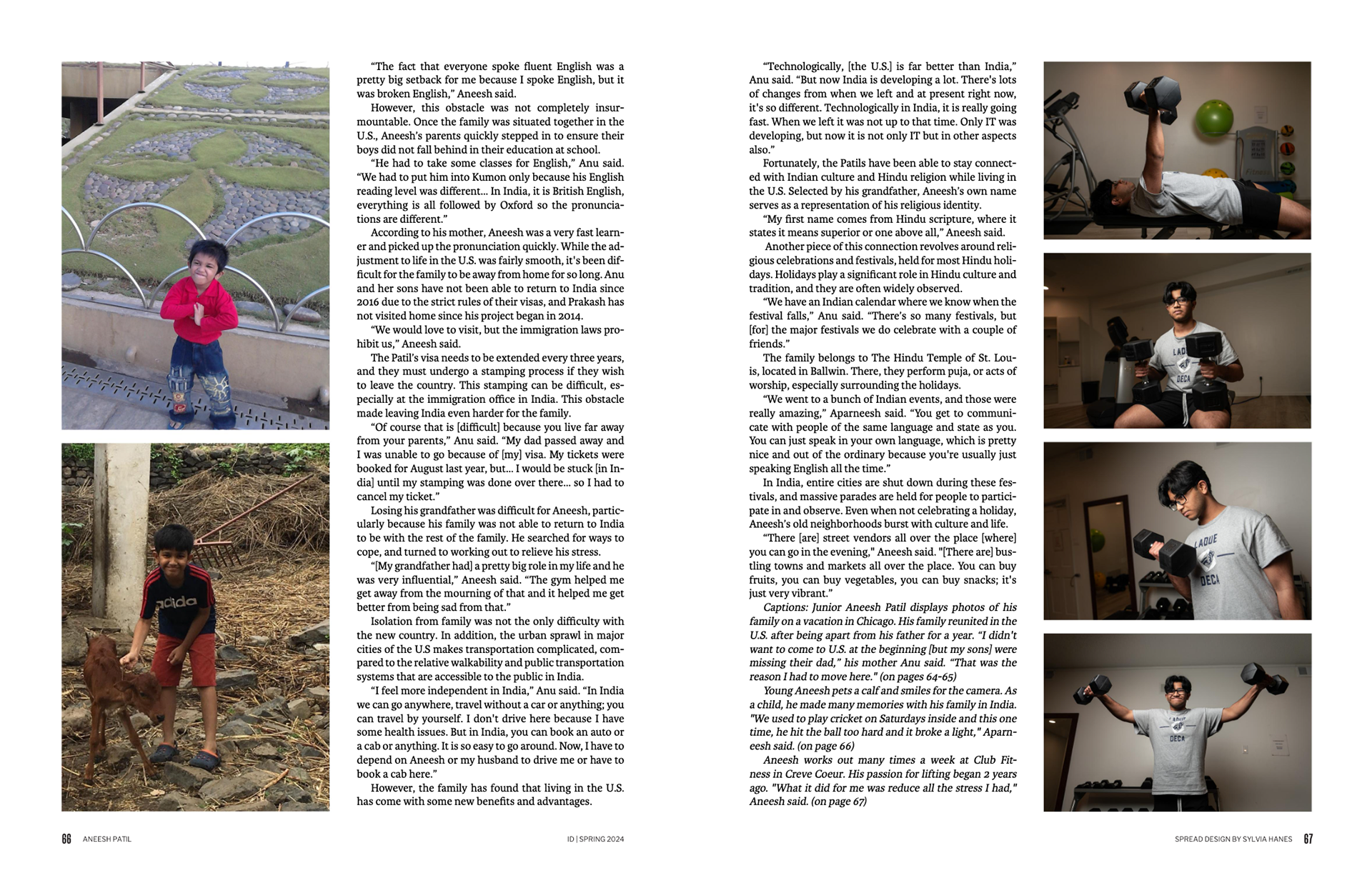
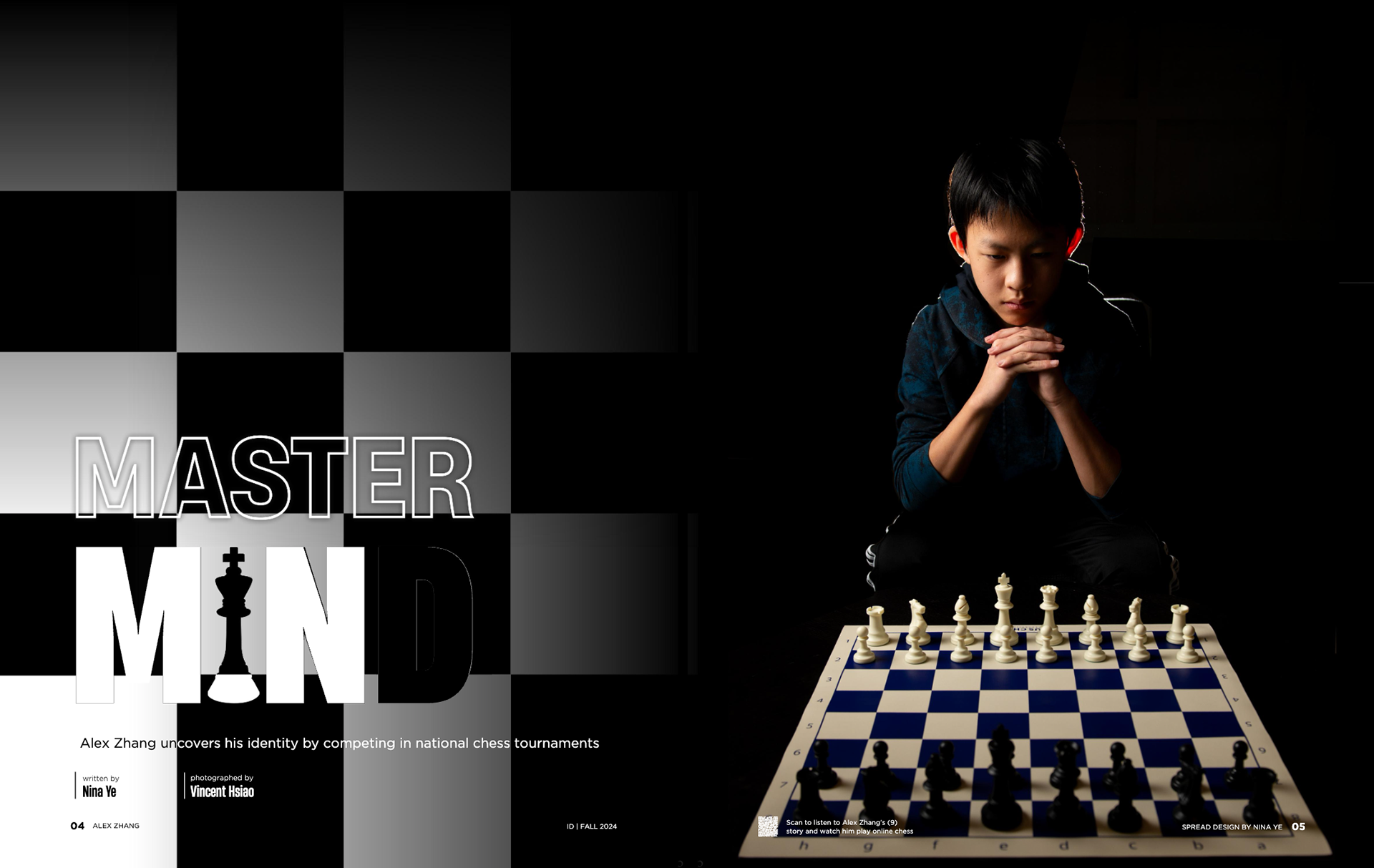
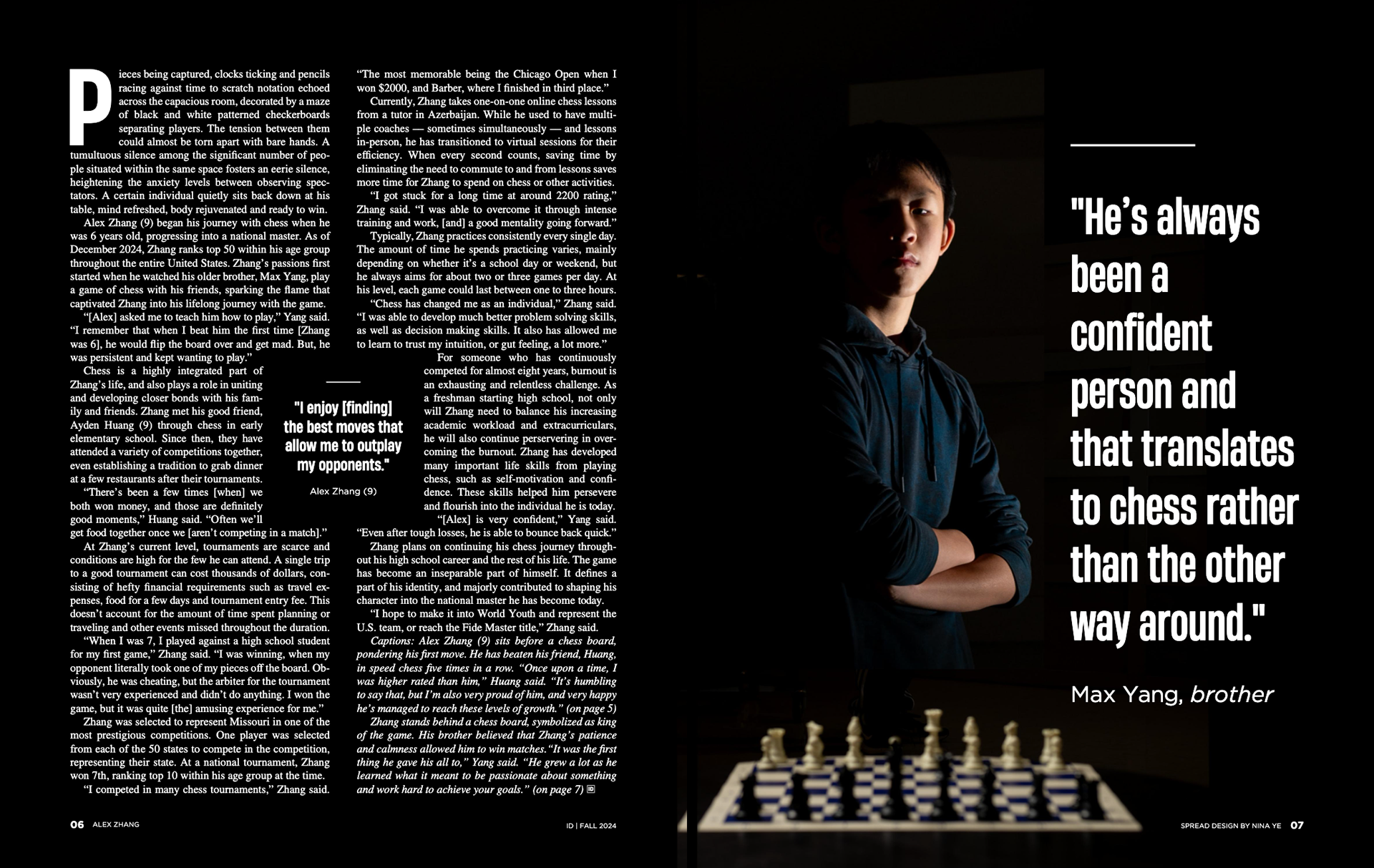
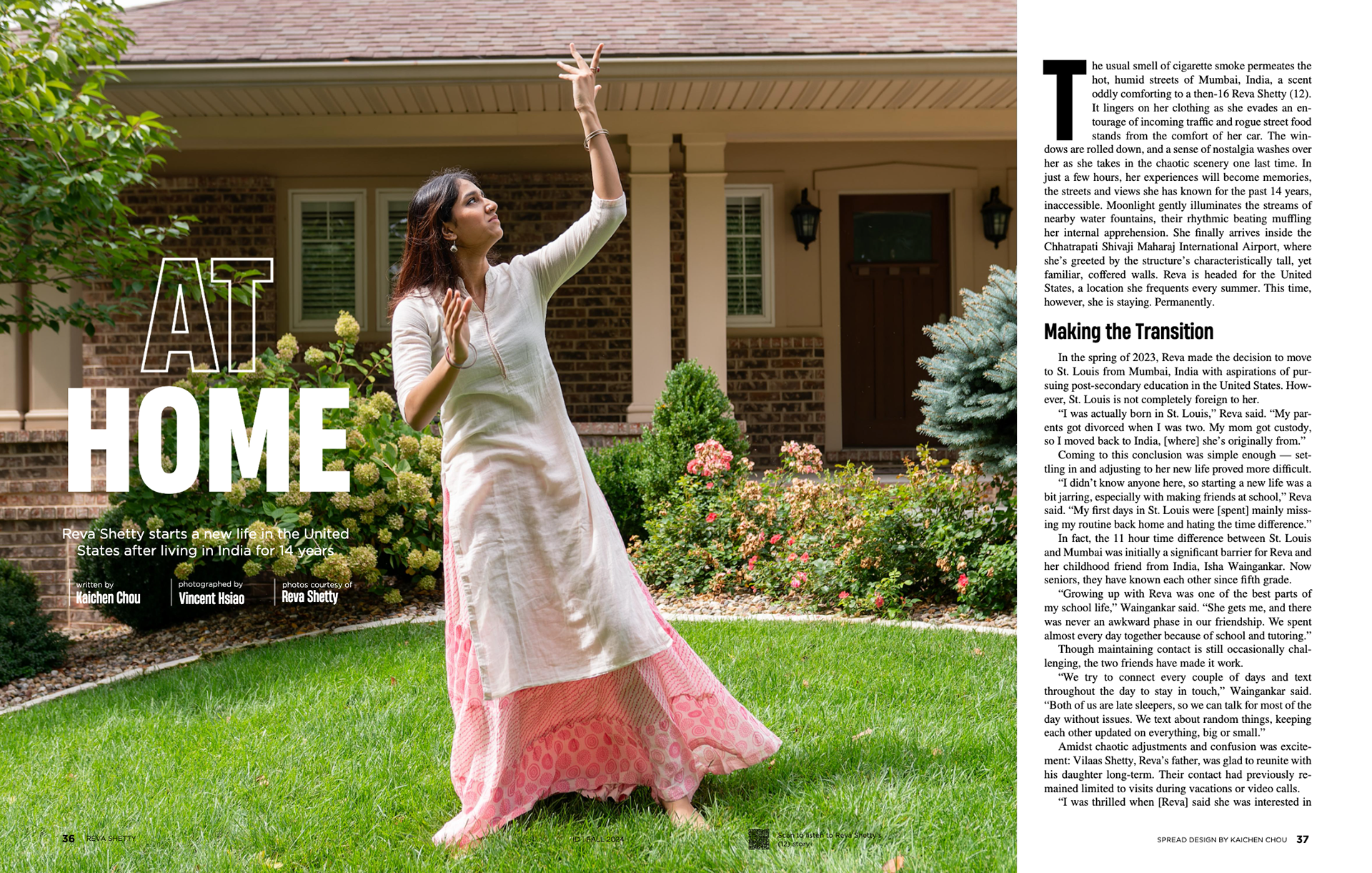
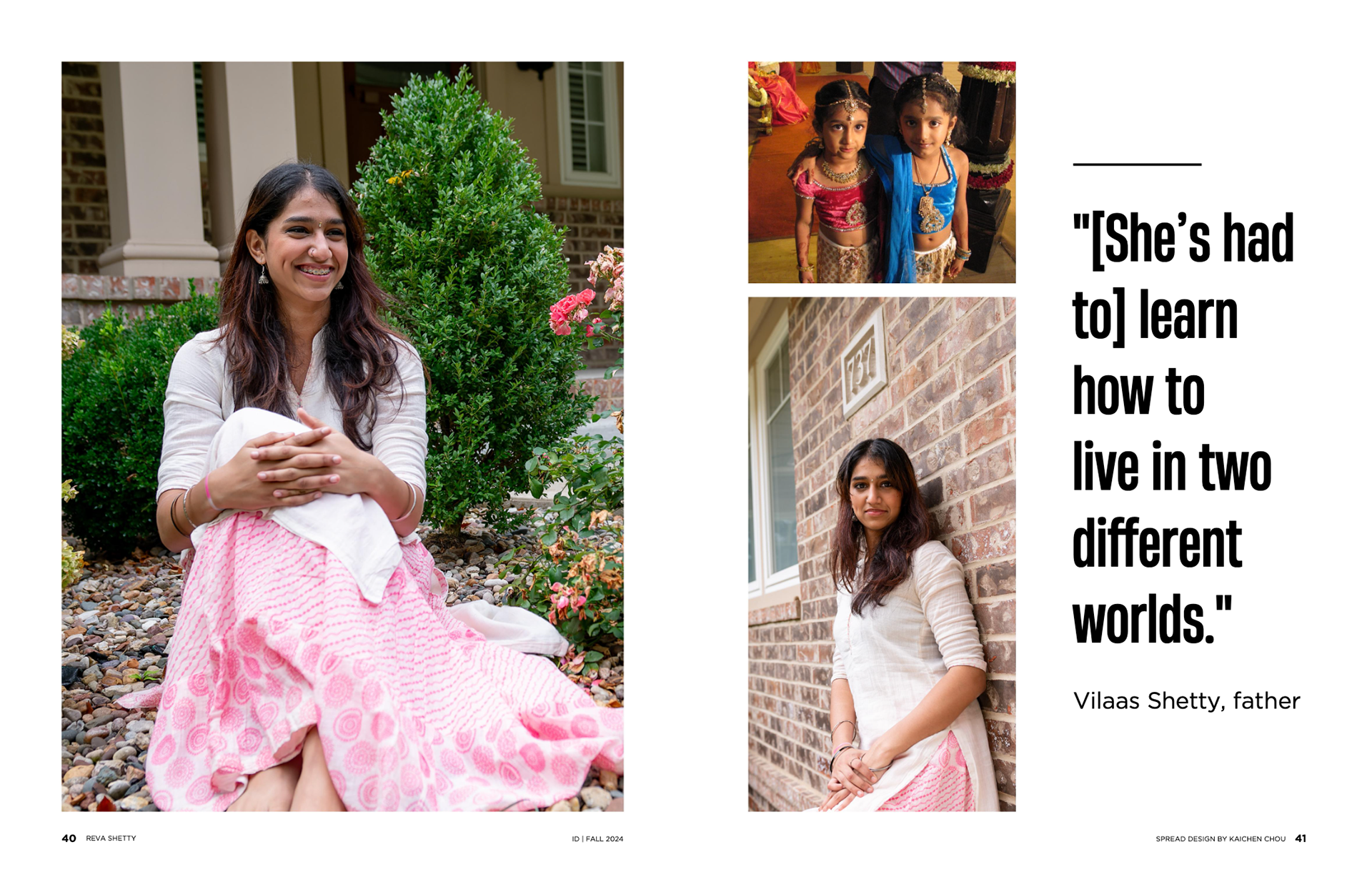
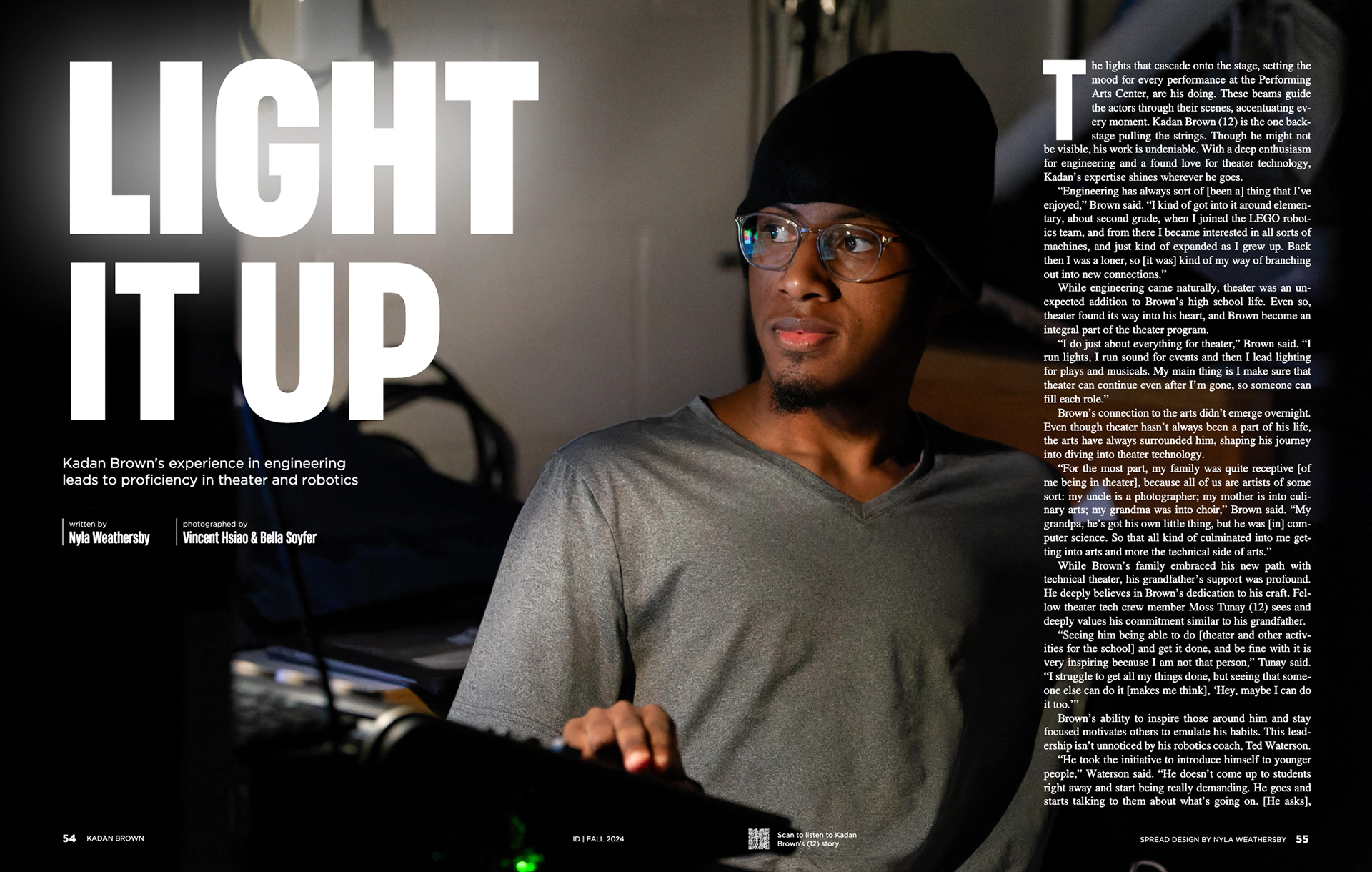
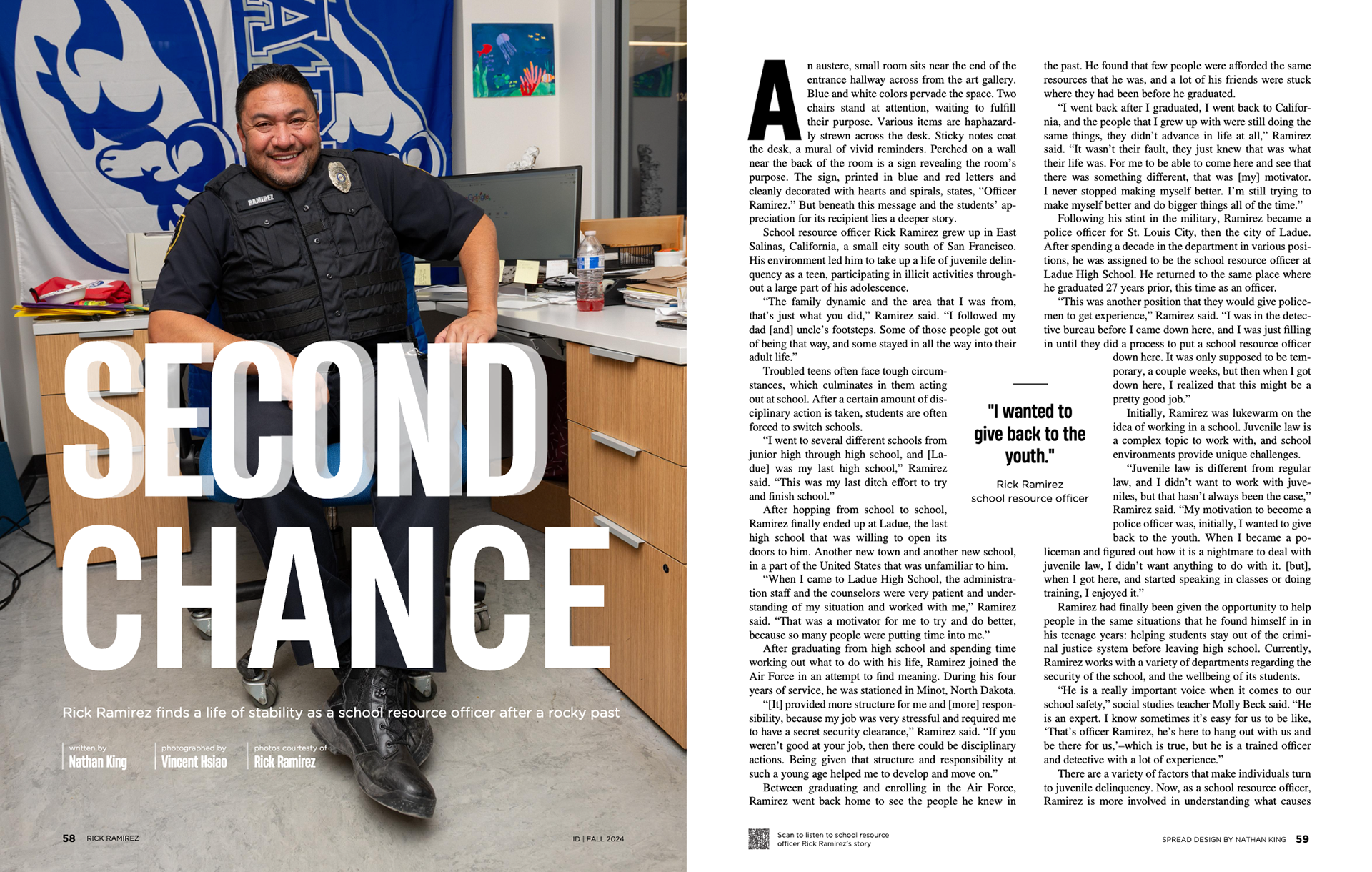
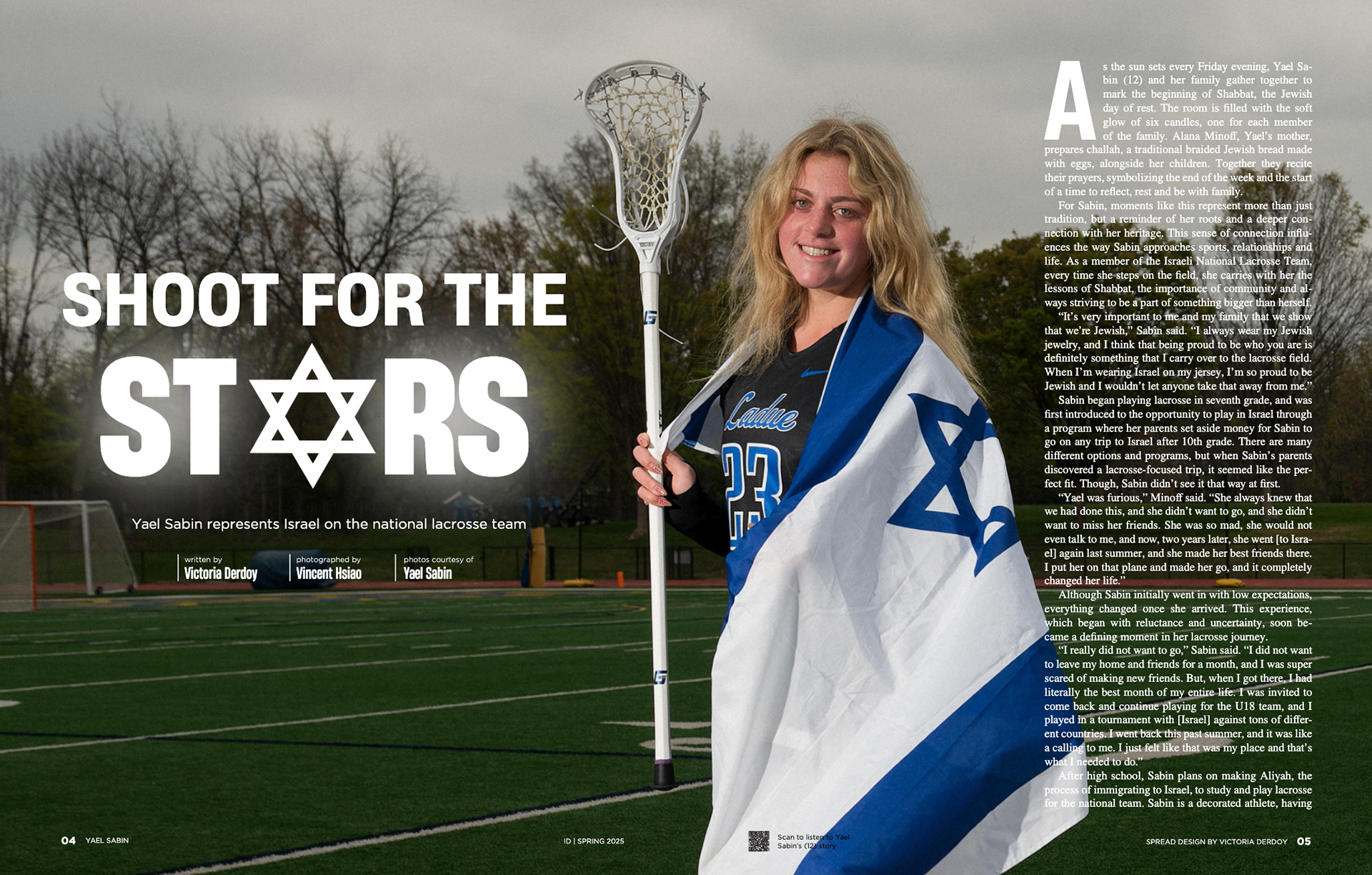
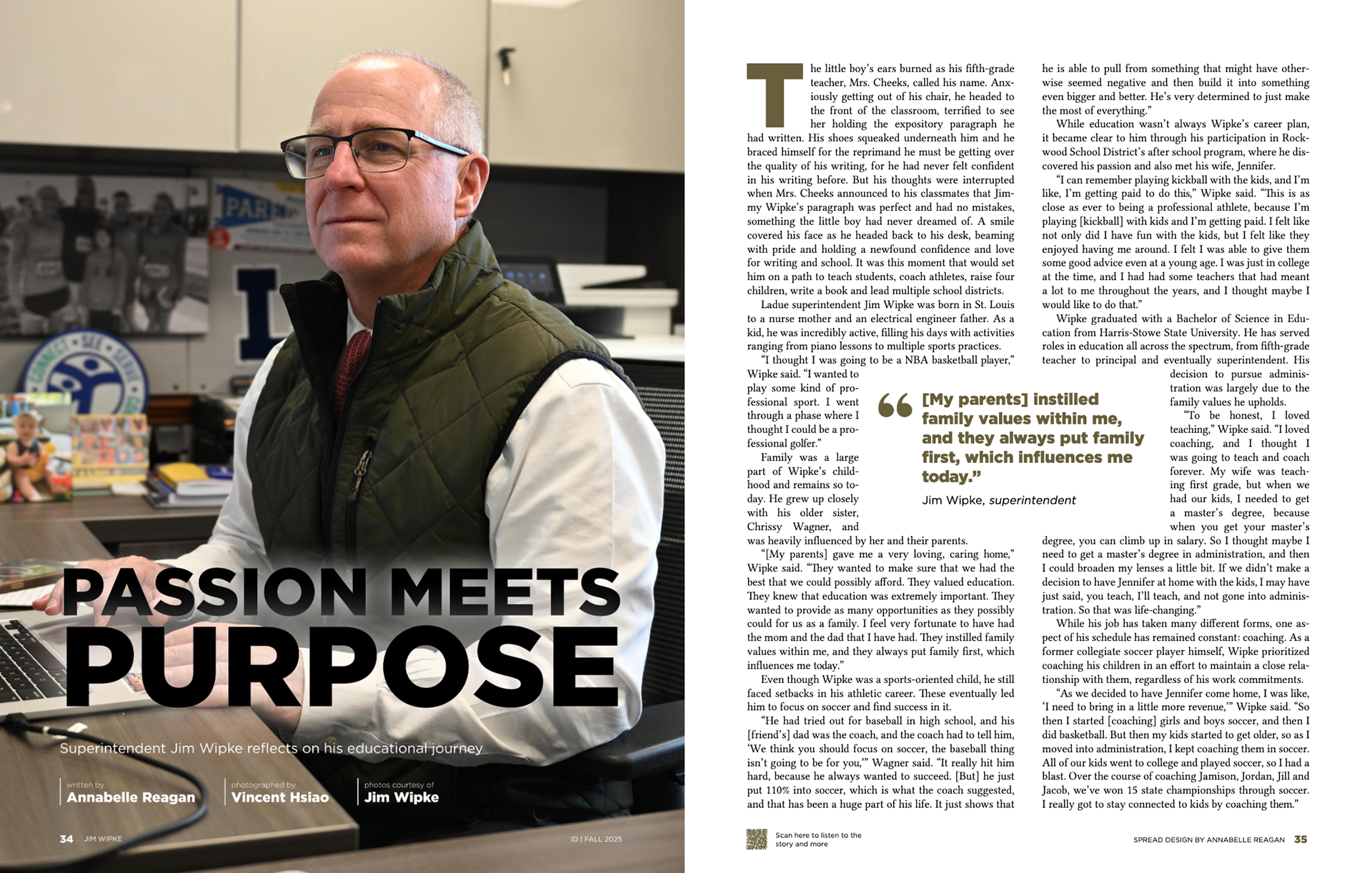
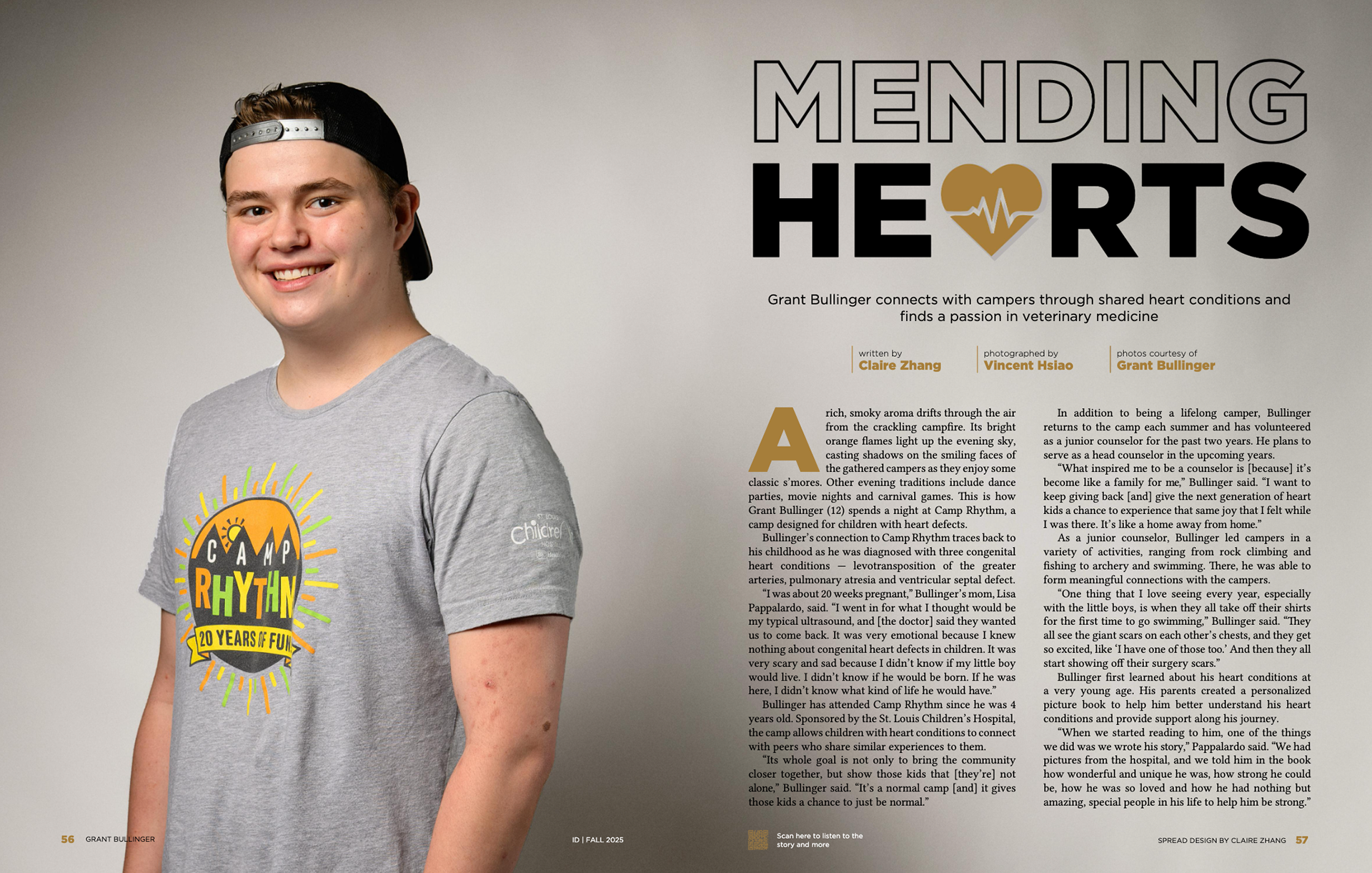
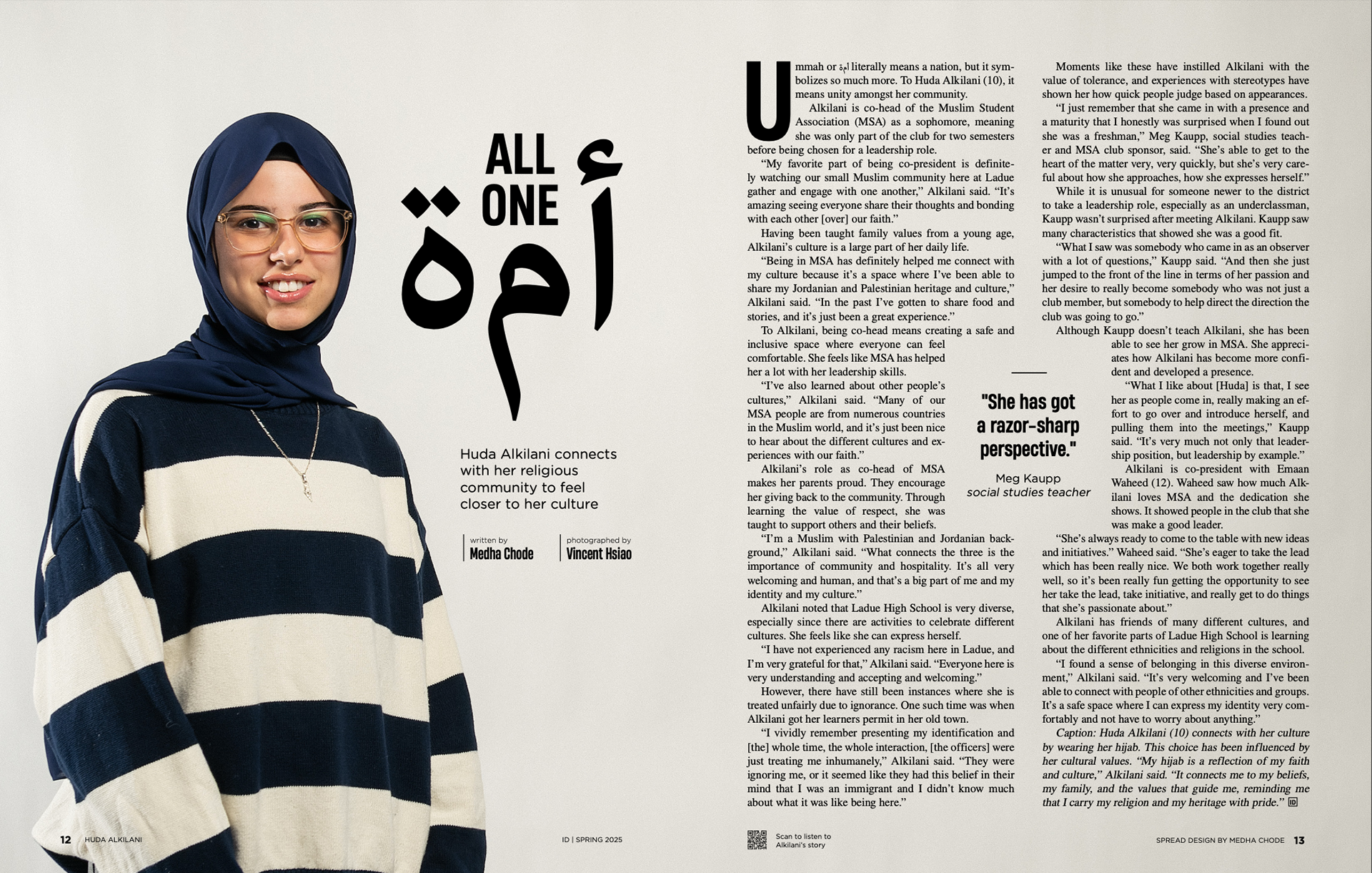
ID Magazine is where I’ve done some of my most intentional “representation work” because the publication’s mission is explicit: accurate, relevant identity storytelling that is racially, religiously and economically inclusive, as well as being held to professional standards and current design trends. My photos uphold stories across cultures, faith, nationality, migration/adaptation experiences, student leadership and interests, health and personal history, with portraits and environmental scenes designed to feel specific and human rather than symbolic. While I am not an editor dedicated solely to ID, I actively support its coverage by providing my own photography and coordinating resources from our photo team. The point of the sampler is breadth: a wide range of subjects and settings, consistent ethical coverage and visual storytelling that amplifies community voices without ever flattening anyone into a stereotype.
Please take note of respective bylines in each story.
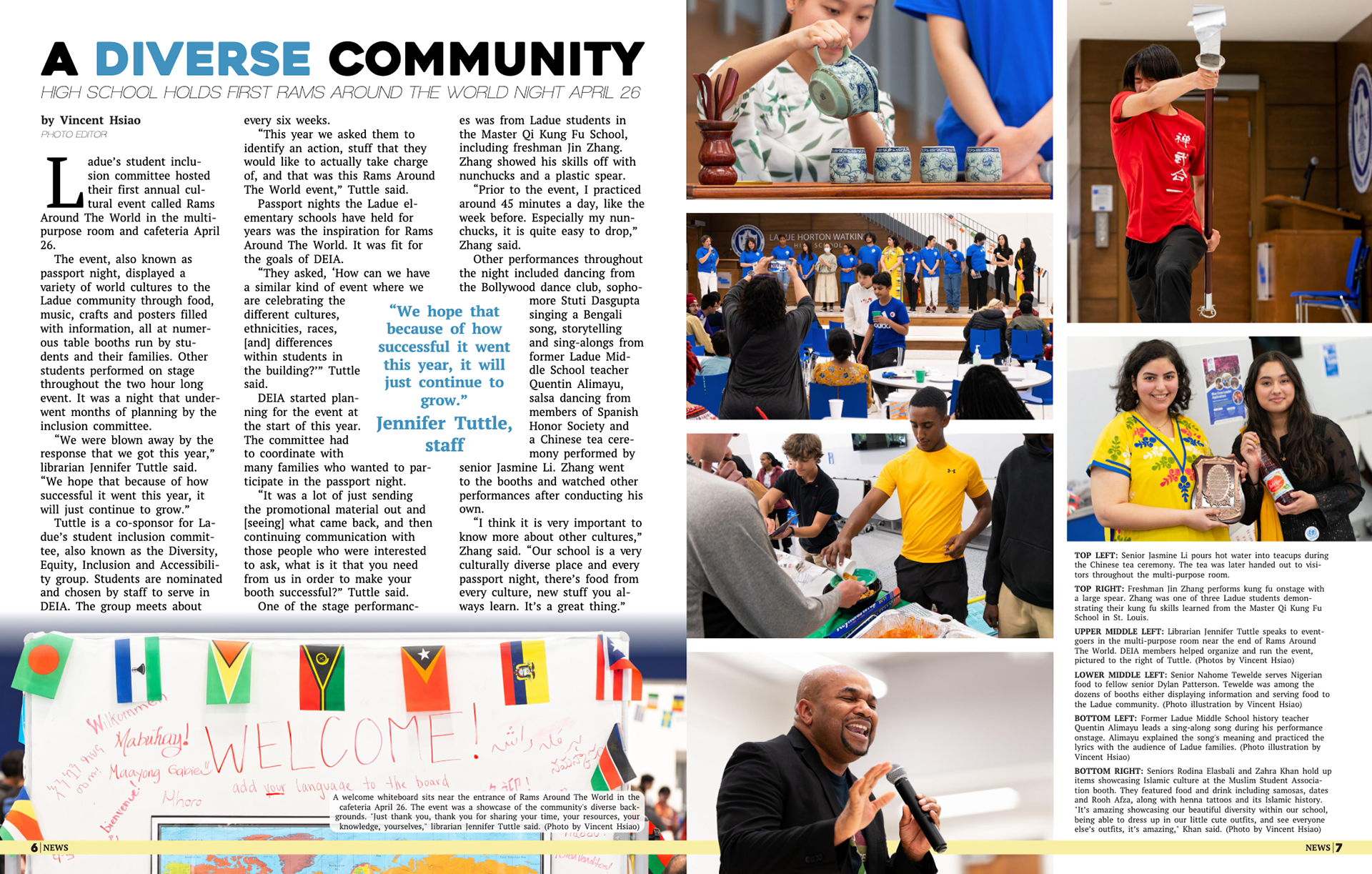
A Diverse Community (The J1 Journal, May 2023)
Rams Around the World is one of the most naturally diverse events at Ladue High School, and the photo coverage has to match that reality: scenes that show the scope of community turnout, plus close moments that honor individuals and cultural details without turning anyone into “background.” This photo story in particular was notable because it was coverage of the first ever passport night for the high school. That meant setting the bar for coverage in the years following. It remains one of my strongest singular pieces of diversity coverage simply because the event itself brings so many communities into one shared space.
A Bond in Learning (Panorama, January 2025)
Copy by Ira Rodrigues
This is one of several examples of diverse, documentary visual reporting I've done for Panorama, outside of ID Magazine. I took time during the school day to go off-campus to follow a student teacher who assisted in middle school special education classes. All photos I captured were genuine moments of the student teacher working with children with disabilities including in a unified class; I knew that anything staged to look like a candid moment would be a grave ethical violation. Before I stepped foot into the middle school, days beforehand I did my due diligence as a reporter by asking the assistant teacher if there were students who could not be photographed. Additionally, on the day of the shoot, I had teachers point me to those specific students (just a couple), which left me with a large portion of the class able to be featured. I eased my way into the classes without even holding my cameras, making myself comfortable to the students instead of becoming a distraction. The goal was to garner trust and access and be an empathetic "fly on the wall." Combined with the writer's reporting, our work has truly allowed our readers (mostly high school students) to see and understand inclusive efforts that otherwise would never cross their mind.
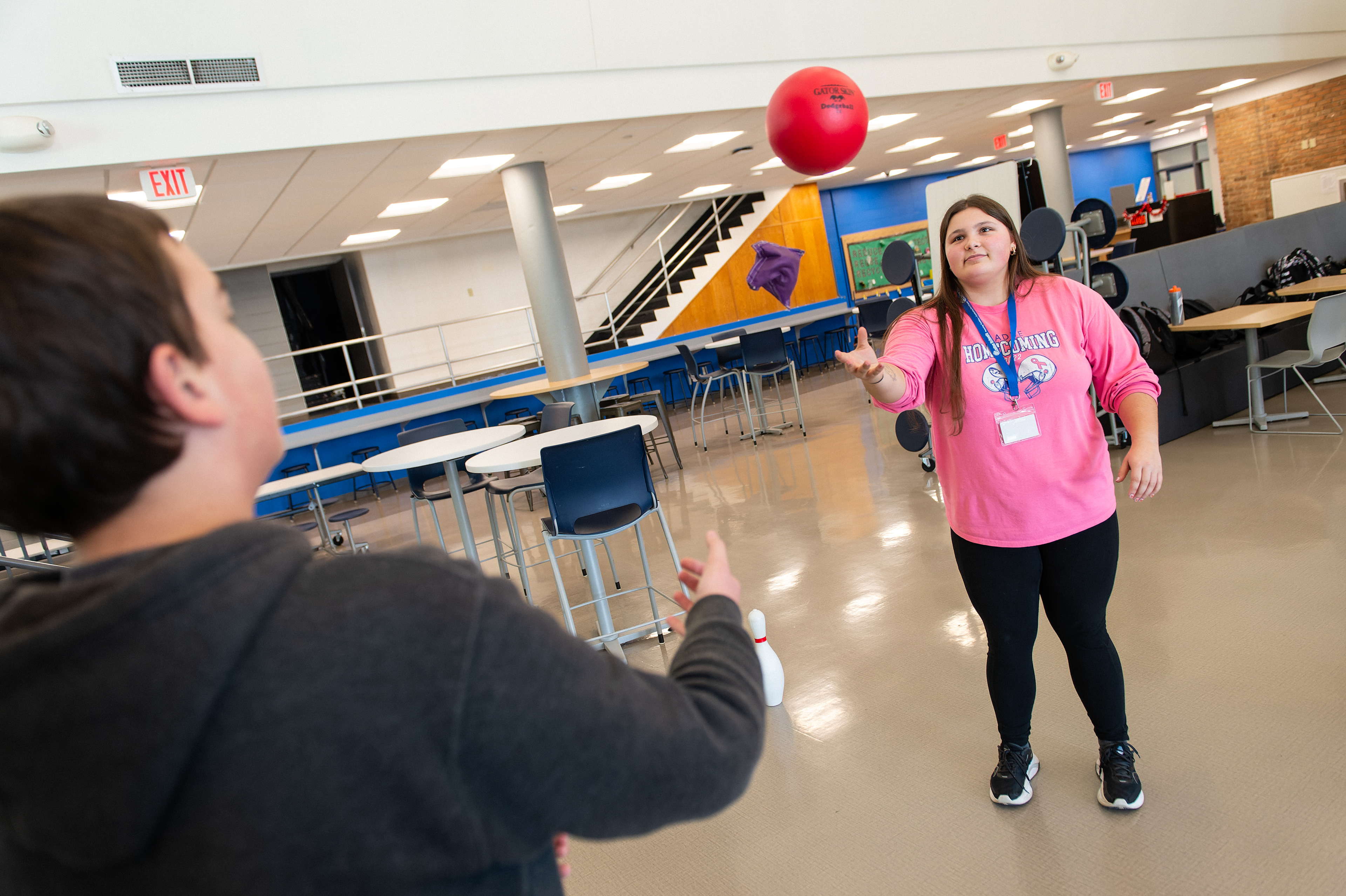
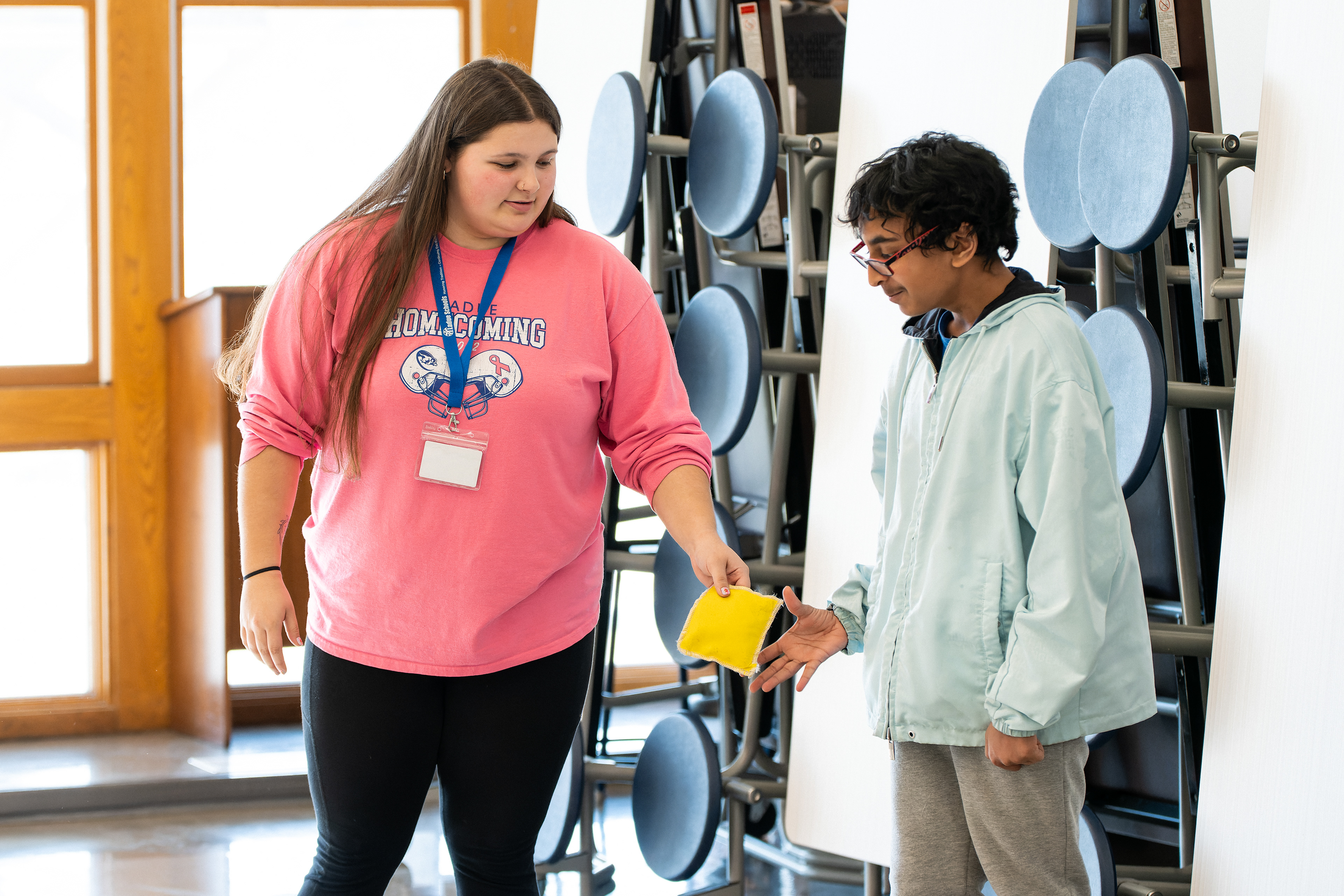
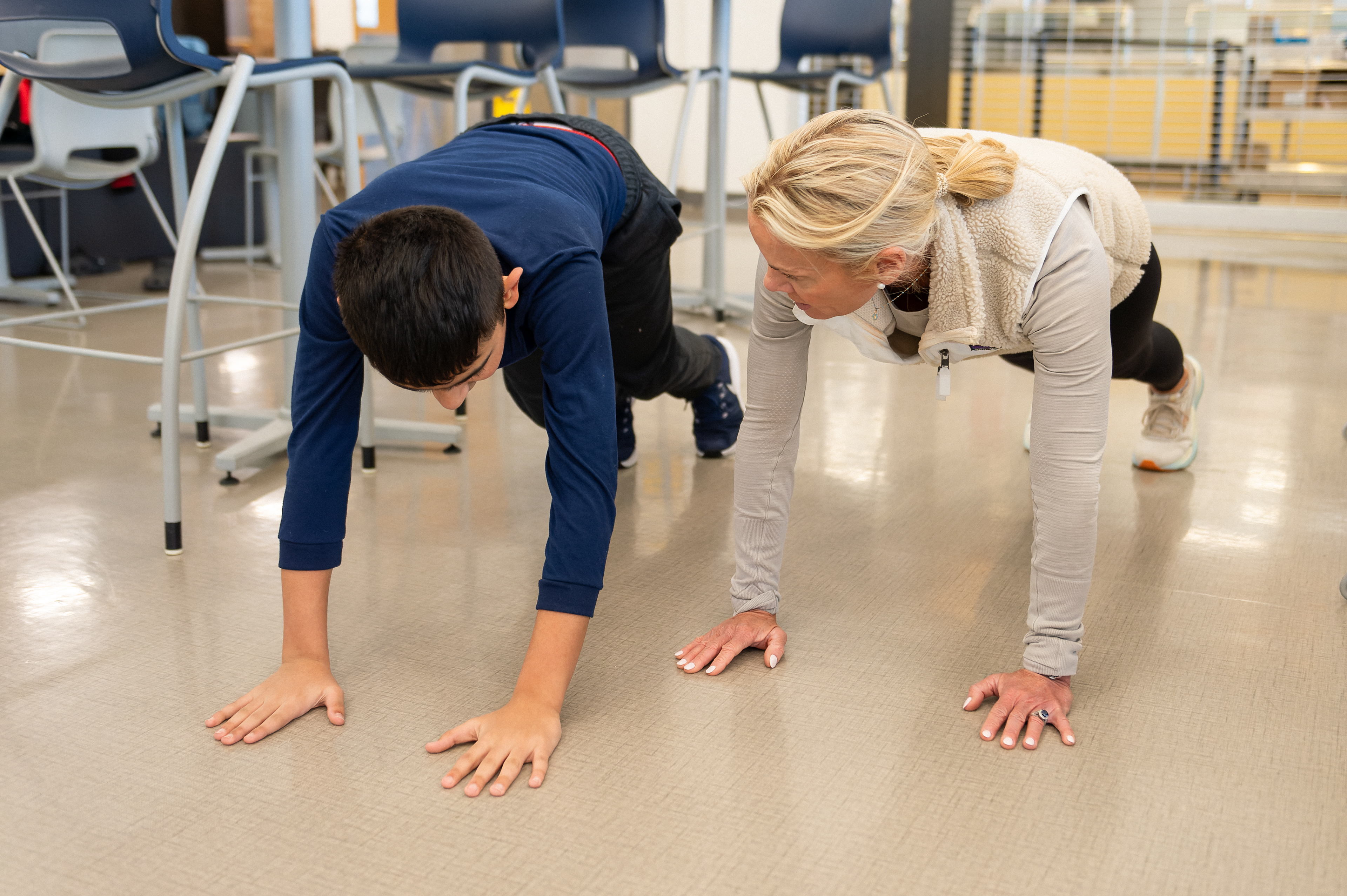
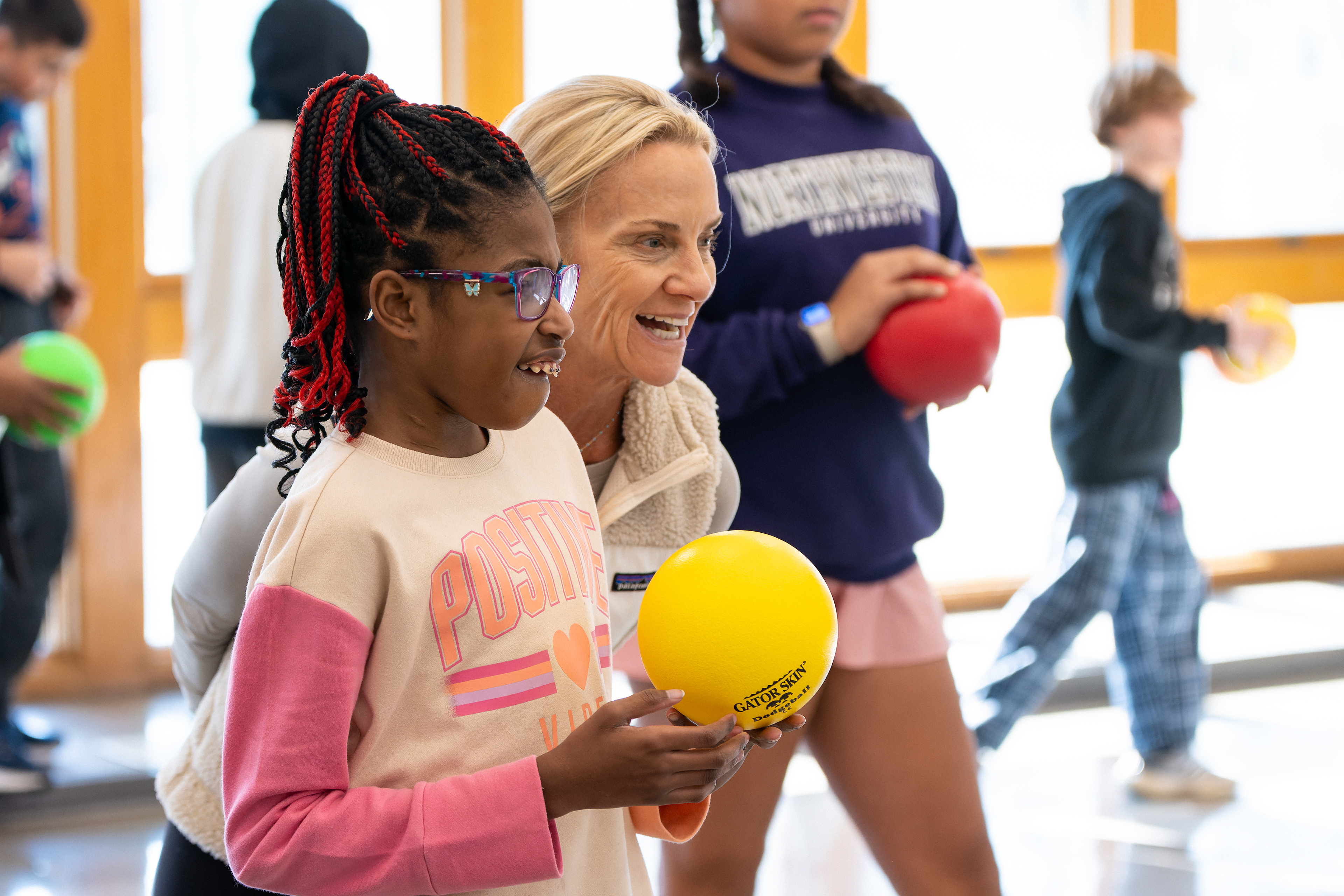
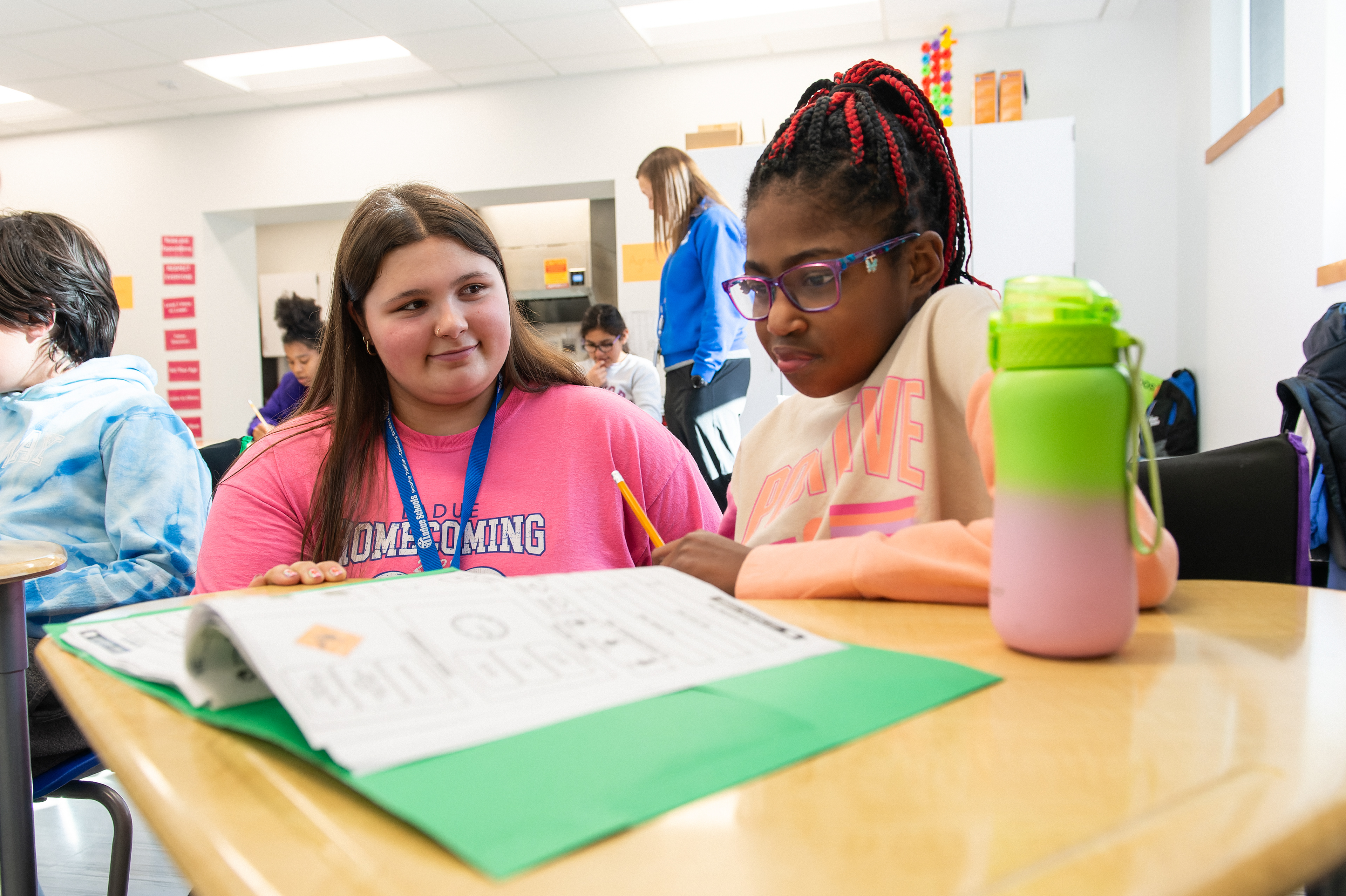
Sabra Fink (11) helps students in physical education and reading classes. Being a part of Catalyst has helped her figure out her future career path."I learned that this is something I really want to do in the future," Sabra said. "Once I went into the classroom, I definitely found out this is something I want to do."
Old Newsboys Features (St. Louis Post-Dispatch, November 2024 and 2025)
These features focus on disability support and practical access — how resources and nonprofits help kids and families participate fully in daily life. I approached the reporting with a “dignity-first” mindset: specific language, accurate portrayal, and varied perspective. This matters to me personally because I’ve grown up and still live with my older brother, who is diagnosed with autism, so I’m sensitive to how easily prose can drift into pity or distance. The goal here is inclusion that feels real: respectful, informative storytelling that makes readers understand what support looks like and why it changes a family’s connection to community.
See Reporting and Writing
See Reporting and Writing
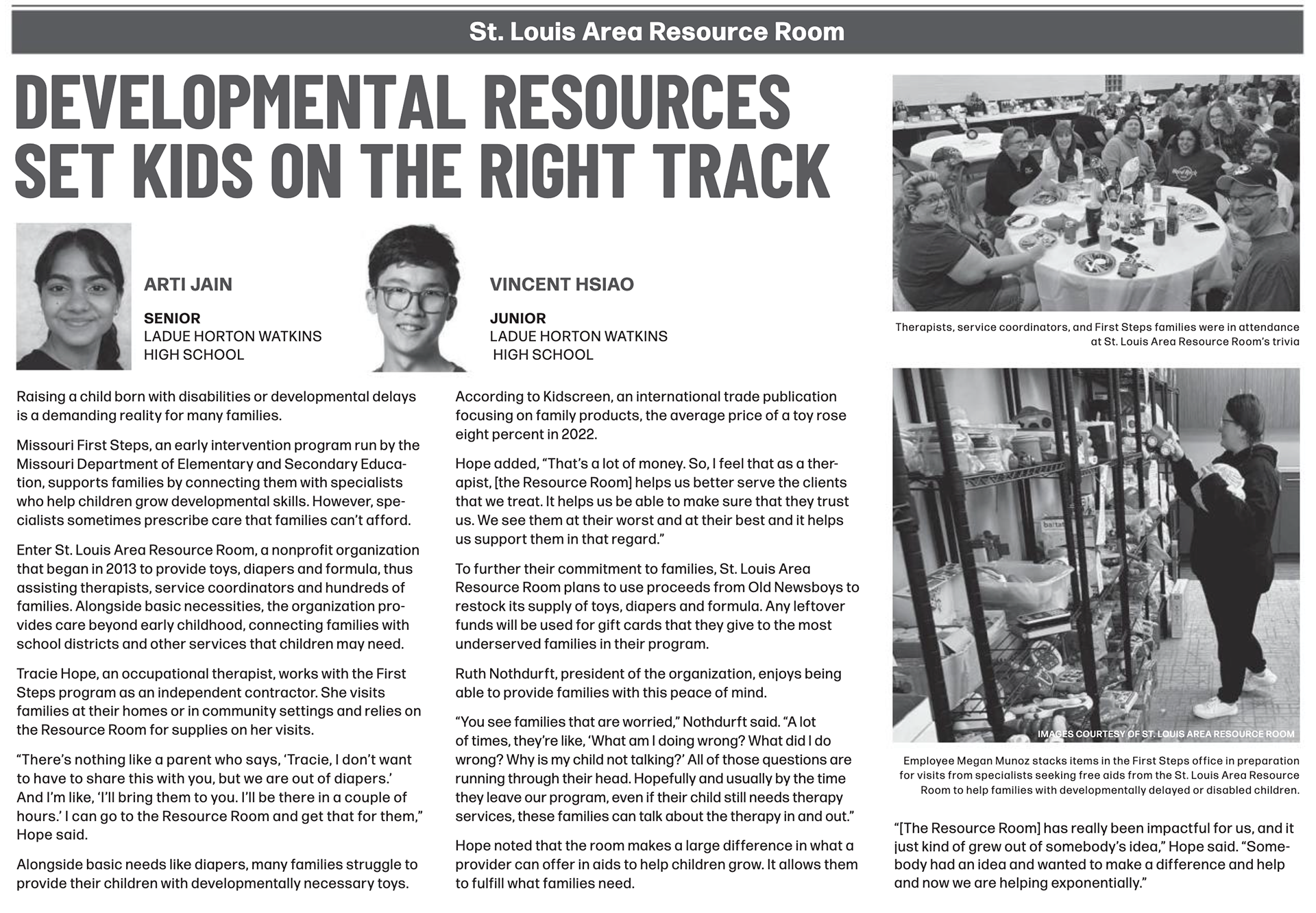
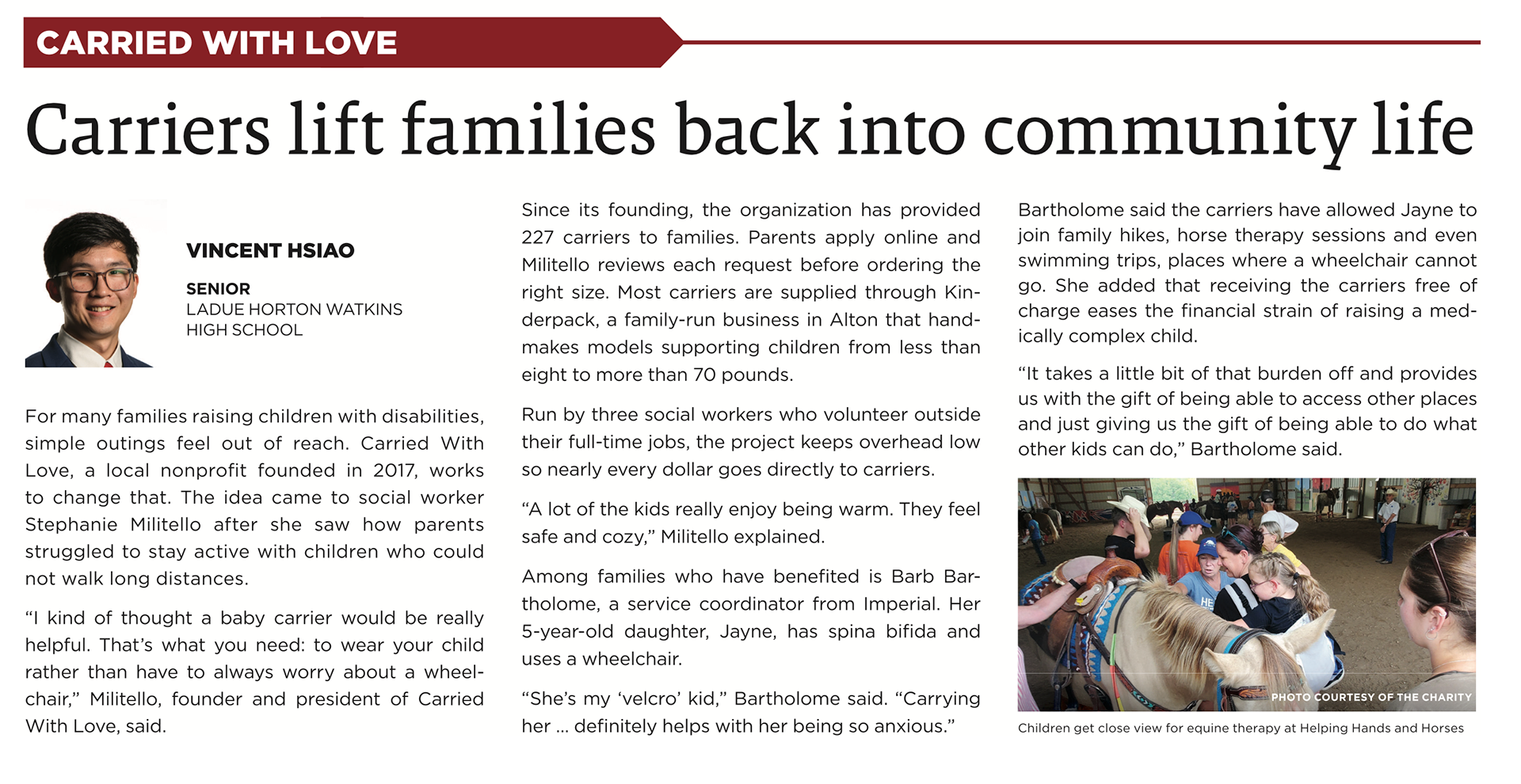
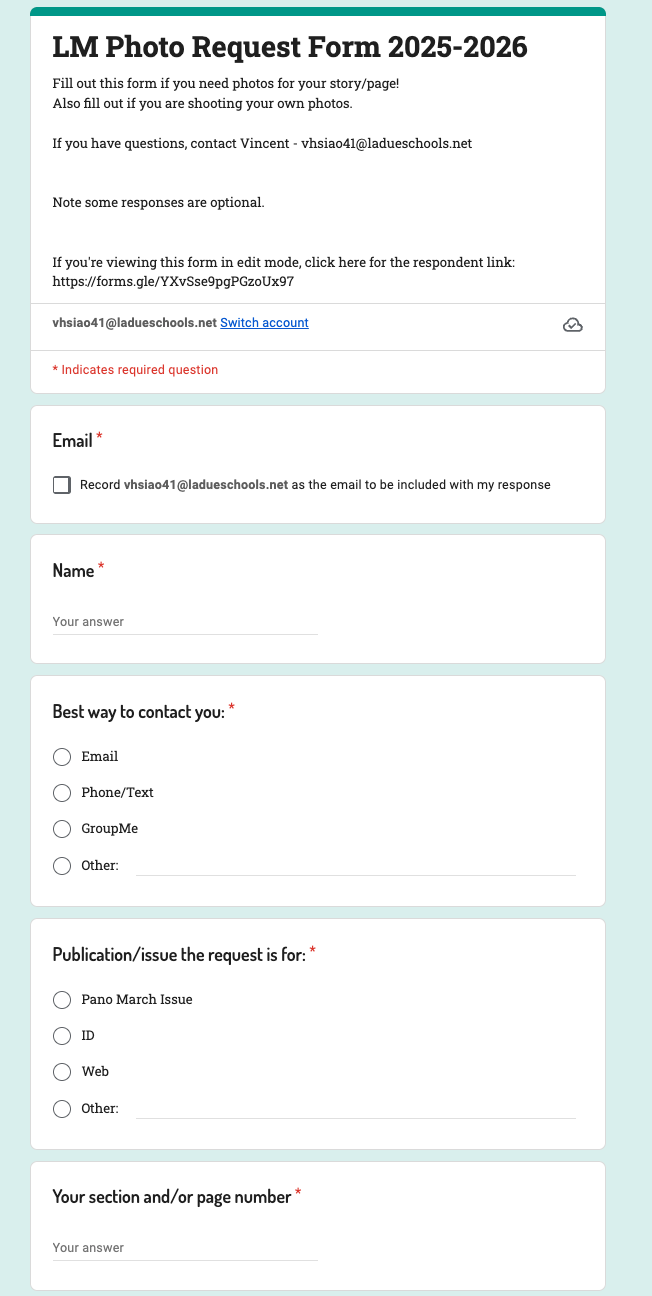
Photo Request + Assignment Tracking System
As our program enrollment grew from the 30s to the 40s to 51 staffers this year, we outgrew solely informal “tap someone on the shoulder” coverage. The digital request and tracker system makes access more equitable and makes production realistic at scale, especially because we’re split across multiple connected classrooms during work time (Panorama/general EICs/photo/art in two rooms; ID in another). Newer, more timid staffers naturally may be apprehensive to approach me with a new idea, so this alleviates that fright (something I felt myself as a freshman). A centralized workflow for my team keeps assignments from falling through the cracks, helps coordinate photographers across sections and publication, and prevents coverage from favoring the loudest request or easiest subject. It also supports consistency: clear status tracking, delegation and accountability — so more stories (and more kinds of students) actually get photographed.
See Editing, Leadership and Team Building
See Editing, Leadership and Team Building
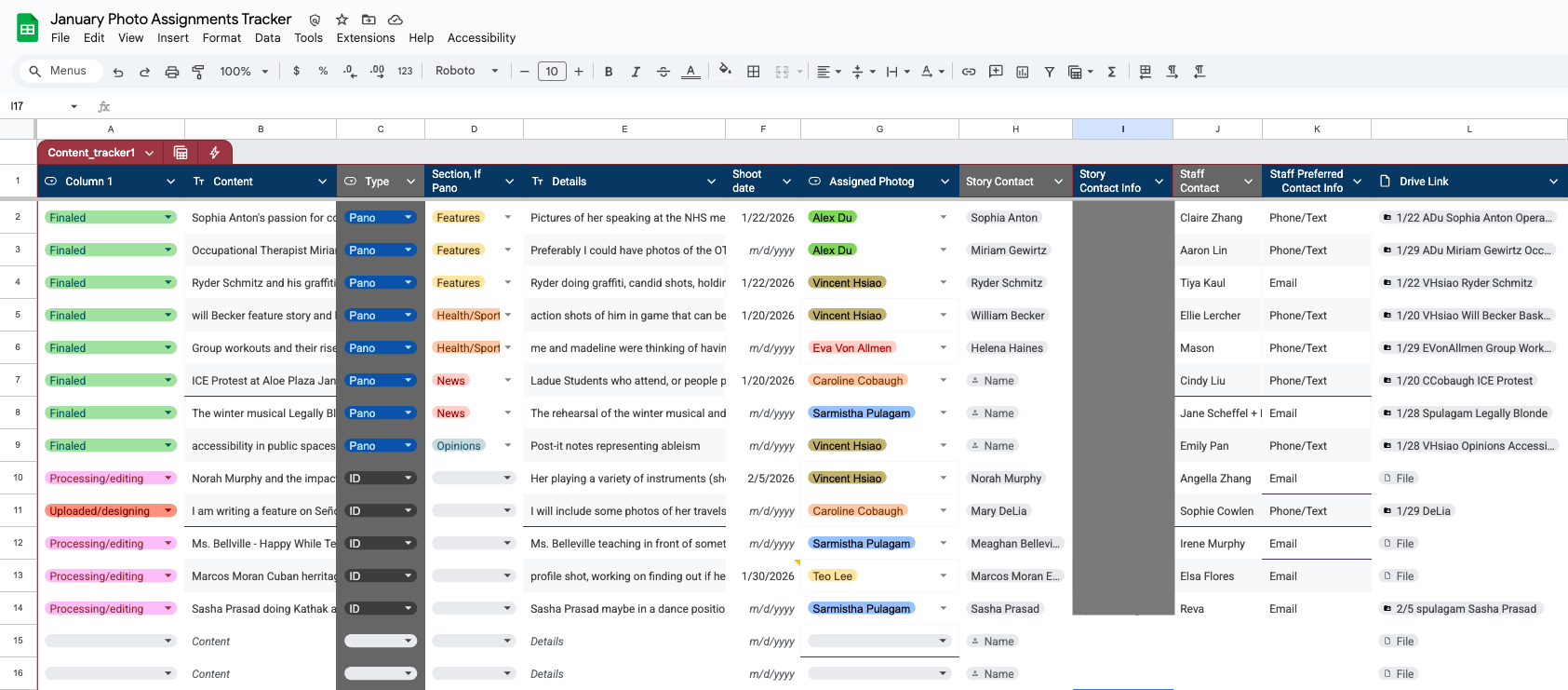
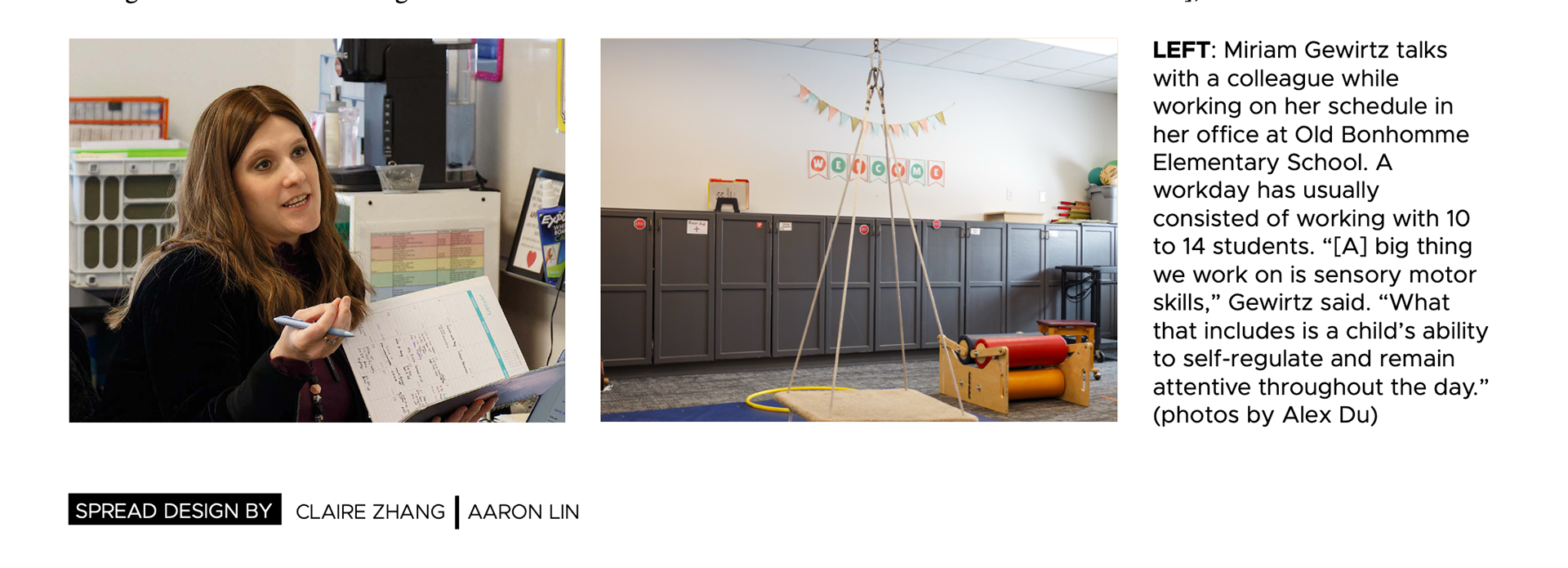
Private or confidential details are not visible or are redacted.
Privacy Ethics: De-identifying Personal Info
I made a newsroom-style ethical compromise of reducing resolution on an image so a special education occupational therapist’s planner wasn’t legible. Selection stakes were already high because we were honoring student photo-privacy expectations: we needed a frame that showed the therapist actively working without identifying any children, according to their protocol and our journalistic credo of "do no harm." These adjustments protected privacy without sacrificing the story’s truth. It also built trust: when people know we’ll notice even the smallest risks and fix them, they’re more willing to be covered, to share their work, helping us document a wider, more representative slice of our community.
See Editing, Leadership and Team Building for team culture building — depicting our diverse staff through professional, empowering headshots